


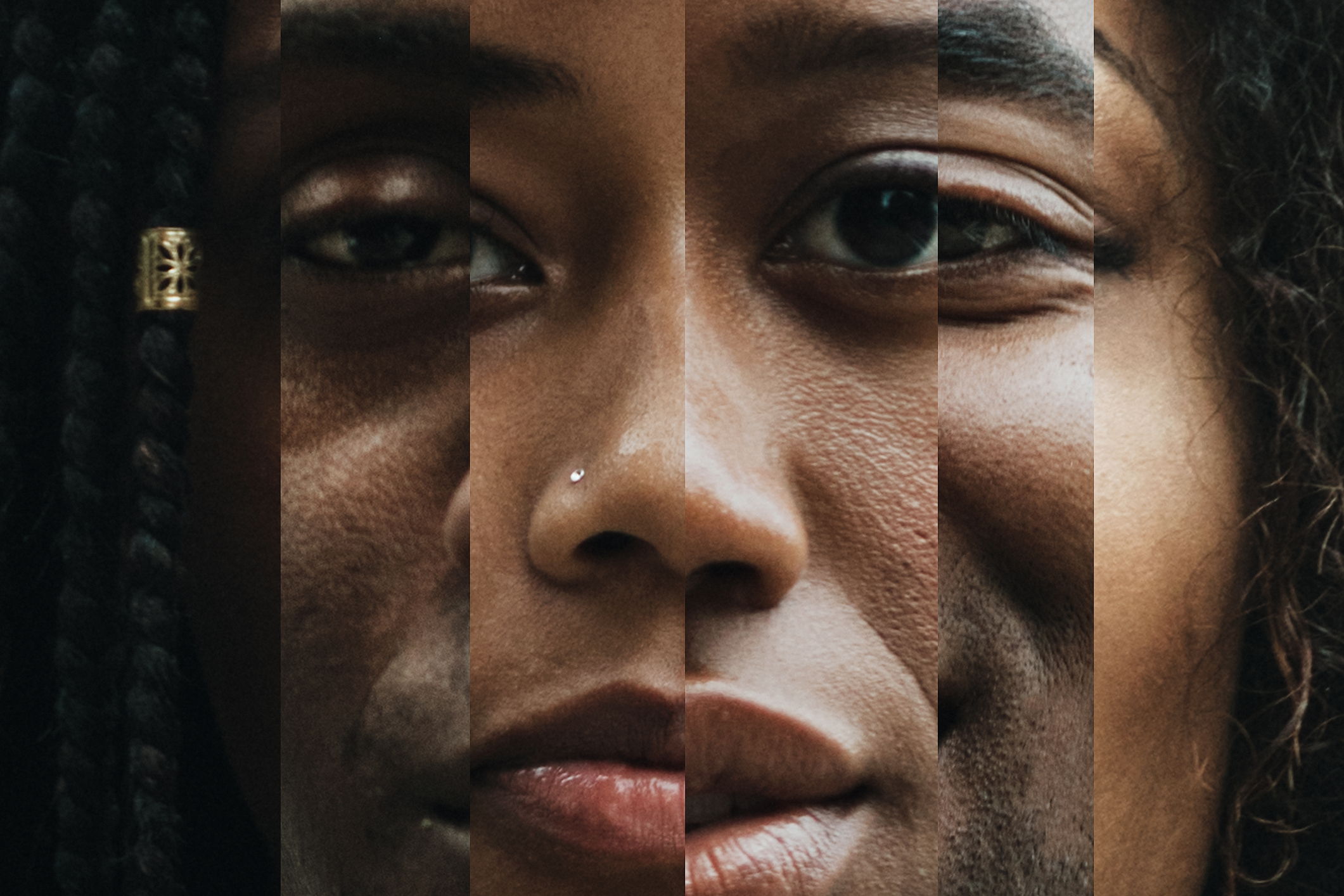
Black skin ages differently than lighter complexions, largely due to its higher melanin content, which offers some advantages—but there are also unique challenges. Here’s a breakdown of how skin aging differs:
Advantages of Black Skin in Aging:
-
More Melanin = Better UV Protection
Melanin helps shield the skin from UV radiation, which is a major cause of premature aging (photoaging). As a result:-
Fewer wrinkles and fine lines appear early in life.
-
Skin retains elasticity and a youthful appearance longer.
-
-
Thicker Dermis
Darker skin types tend to have a thicker dermis (middle layer of skin) and more collagen, which provides better structural support and slows visible aging.
Common Signs of Aging in Black Skin:
Instead of wrinkles, other aging signs may become more prominent:
-
Sagging and volume loss in the face may become more noticeable with time.
-
Uneven skin tone or hyperpigmentation (dark spots, melasma) is more common.
-
Dryness or ashy appearance due to a naturally lower level of ceramides (lipids that retain moisture).
-
Keloids or hypertrophic scars may form more easily after injury.
Lighter Skin Aging:
-
More prone to wrinkles, crow’s feet, and sunspots earlier due to UV sensitivity.
-
More likely to see fine lines and collagen breakdown from sun exposure and thinner skin structure.
-
Redness, broken capillaries, and other sun-related changes are common.
Yes, darker skin pigmentation (like black or brown skin) provides some advantages in hot, sunny environments, but it’s a tradeoff. Here’s a breakdown of the science:
Benefits of Darker Skin in the Heat:
-
UV Protection:
Dark skin contains more melanin, particularly eumelanin, which offers stronger protection against ultraviolet (UV) radiation from the sun. This reduces the risk of sunburn, skin cancers (like melanoma), and DNA damage. -
Prevention of Folate Breakdown:
Melanin helps prevent the breakdown of folate (a B vitamin essential for reproduction and cell division), which can be degraded by UV radiation. This likely contributed to the evolutionary advantage of darker skin in equatorial regions. -
Thermal Radiation:
Dark surfaces absorb more visible light, but human thermoregulation (sweating and blood flow to the skin) plays a much larger role in cooling the body than skin color. While dark skin may absorb more heat from sunlight, efficient sweat evaporation helps maintain temperature balance.
Tradeoffs and Considerations:
-
Heat Absorption:
Dark skin absorbs more solar radiation (including heat), but this doesn’t necessarily mean it makes a person “hotter” because the body can regulate temperature effectively through sweating and other mechanisms. -
Vitamin D Synthesis:
One tradeoff is that high melanin levels reduce the skin’s ability to produce vitamin D from sunlight, which is why darker-skinned people may need more sun exposure in low-UV environments.
Darker pigmentation evolved as an adaptation to intense UV radiation, not directly to heat itself. While it offers significant protection in hot, sunny climates, its effect on body temperature is moderated by other physiological systems.
If you’re curious about this from an evolutionary, medical, or athletic performance angle, I can dive deeper.